Have you ever struggled to clear your goods through Saudi Arabia’s customs? Many businessmen face this when they first start importing or exporting. They are stuck in paperwork, unexpected duties, and confusing rules. Without the right knowledge, delays, fines, and high customs duties can quickly turn a profitable deal into a costly mistake.
This complete guide will walk you through every step of custom clearance in Saudi Arabia, from preparing your documents and submitting your customs declaration, to understanding Saudi customs tariffs and managing custom duty in Saudi Arabia. Whether you’re a new importer or expanding your global business, this article will help you navigate Saudi customs smoothly and avoid common pitfalls in 2025.
What Is Custom Clearance in Saudi Arabia?
Saudi Arabia’s Import Regulations
Custom clearance in Saudi Arabia is the process by which goods are authorized to enter the country after compliance with local laws, payment of duties, and proper declaration. The Kingdom operates under strict import regulations to protect its economy, environment, and citizens. Goods must meet Saudi Standards, Metrology and Quality Organization (SASO) requirements and be free of banned or restricted items.
Every shipment must pass through the Saudi Arabia customs authorities, where paperwork, product information, and applicable tariff Saudi Arabia are reviewed carefully.
Importance of Custom Clearance for International Trade
Efficient custom clearance enables faster movement of goods, reduces costs, and strengthens business relationships. Incomplete documentation, incorrect customs declaration, or unpaid duties can lead to delays, fines, or shipment rejections.
Saudi Arabia’s economy relies heavily on smooth import and export processes, making compliance essential for businesses operating in the region.
Step-by-Step Process for Custom Clearance in Saudi Arabia
Document Requirements for Importers
Before goods reach Saudi borders, importers must prepare the following documents:
Commercial Invoice: Must match shipment details exactly.
Packing List: Detailed list of all items and their weight/dimensions.
Certificate of Origin: Stamped by a recognized authority.
Bill of Lading / Air Waybill: Depending on transport mode.
Import Permit: For regulated products.
SASO Certificate of Conformity: For specific items like electronics and toys.
Clear and correct paperwork is crucial to avoid complications during the custom clearance in Saudi Arabia.
Role of the Saudi Customs Authority
The Saudi customs authority (ZATCA – Zakat, Tax and Customs Authority) is responsible for:
Inspecting shipments
Verifying documentation
Calculating duties and taxes
Ensuring banned goods don’t enter
Applying correct Saudi tariff schedules
Their role is to protect Saudi interests while facilitating legitimate trade.
Understanding Customs Duty in Saudi Arabia
What Is Customs Duty and Who Pays It?
Customs duty is a tax collected on imports and sometimes exports. In Saudi Arabia, the importer is responsible for paying it during the custom clearance process. The amount depends on the product’s classification under the Saudi customs tariff schedule.
Current Rates for Customs Duty in Saudi Arabia (2025)
As of 2025, customs duty rates in Saudi Arabia generally fall into these categories:
5% for essential goods (i.e food items, medicines)
5%-15% for luxury goods (i.e automobiles, perfumes)
Higher rates for specific protected industries
VAT at 15% is also charged on top of the declared goods’ value plus duty.
Exemptions and Reductions for Specific Goods
Certain goods enjoy exemptions or reduced duty rates:
Raw materials for manufacturing (with proper licenses)
Diplomatic shipments
Religious items
Some agricultural and industrial equipment
Approval from the Ministry of Investment or related authorities may be necessary to claim exemptions.
Saudi Customs Tariff
What Is the Saudi Customs Tariff Schedule?
The Saudi customs tariff schedule is a government-published list that defines duty rates for every product classification. It aligns with the global Harmonized System (HS) of product classification but has Saudi-specific adjustments
How Tariff Rates Are Determined in Saudi Arabia
Tariff rates depend on following factors:
Type of goods
Economic policy priorities
Protection of local industries
International trade agreements (GCC agreements impact some rates)
Customs officials use the HS code entered during customs declaration to determine the correct tariff Saudi Arabia rate.
Common Challenges in the Saudi Custom Clearance Process
Delays in Declaration and Documentation
One of the most common issues during Saudi customs clearance is incorrect or incomplete documentation. Errors in HS code, missing invoices, or relevant documents can cause your shipment to be held, leading to warehouse charges or penalties.
Unexpected Tariff or Duty Assessments
The following issues can lead to penalties or additional charges during the customs clearance process:
Wrong HS code: Applying incorrect product codes can result in higher duties.
Tariff updates: Changes in the Saudi tariff structure may affect your cost unexpectedly.
Exemption errors: Misunderstanding exemption rules can lead to denied benefits.
Appealing an incorrect duty assessment is possible but can delay clearance.
Tips to Avoid Penalties or Rejections
Hire a licensed customs broker
Double-check the HS codes
Keep copies of all declarations and receipts
Stay updated on regulatory changes at Saudi Arabia customs
Helpful Tools and Resources for Importers
Online Customs Tariff Lookup Tools
Here are some official platforms to check duties quickly:
Saudi Customs Portal: Offers up-to-date Saudi customs tariff details
FASAH Platform: Central hub for trade services
TASHEEL: Helps in electronic document validation
When to Hire a Customs Broker in Saudi Arabia
Hiring a customs broker in Saudi Arabia is advisable when:
Importing in large quantities
Dealing with high-value shipments
Handling restricted or regulated goods
Seeking to avoid costly delays
Brokers understand Saudi customs processes deeply and help reduce compliance risks.
FAQs About Custom Clearance and Duties in Saudi Arabia
What is the difference between customs declaration and clearance?
Customs declaration is the process of submitting shipment details electronically while Custom clearance is the entire process, including inspection, payment of duties, and final approval for goods entry.
How long does custom clearance take in Saudi Arabia?
Typically, if documents are complete and duties paid, clearance can happen within 24 to 72 hours. Special shipments or random inspections can take longer.
Can I appeal a customs duty charge?
Yes, if you believe you were wrongly charged a duty, you can file an appeal with the ZATCA authority. Proper documentation and strong justification are required for successful appeals.
Doing business in Saudi Arabia? If you’re importing goods, you must have a SABER Certificate—or risk costly delays, penalties, or even shipment rejections at Saudi ports.
The SABER Certificate (Saudi Product Safety Program) is an electronic certification system introduced by SASO (Saudi Standards, Metrology, and Quality Organization) to ensure that imported products meet the Kingdom’s strict safety, quality, and regulatory standards. Since replacing the old SASO Certificate, SABER has become a mandatory requirement for most commercial shipments entering Saudi Arabia.
Saudi Arabia has implemented strict customs regulations to protect consumers and maintain market quality. The SABER system: ✔ Prevents substandard or unsafe goods from entering the Saudi market. ✔ Streamlines customs clearance by digitizing compliance checks. ✔ Reduces smuggling & counterfeit products through verified documentation.
Without a valid SABER Certificate:
❌ Your shipment may be held at the port, incurring storage fees. ❌ You could face rejection or forced re-exportation of goods. ❌ Delays may disrupt supply chains, leading to lost revenue & contracts.
“A single missing document can cost thousands in delays. Don’t let compliance hurdles slow down your Saudi business—here’s your 2025 guide to securing a SABER Certificate smoothly.”
In this ultimate guide, we’ll break down: 🔹 What the SABER Certificate is & who needs it. 🔹 Step-by-step process to obtain it (without rejections). 🔹 Latest 2025 updates & how Radhi Custom Clearance Co. ensures fast, hassle-free certification.
Let’s get started!
What is SABER Certificate?
The SABER Certificate (officially known as the Saudi Product Safety Program) is Saudi Arabia’s mandatory digital certification system for imported goods. Operated through the SABER online platform, this electronic compliance system verifies that products meet the Kingdom’s strict safety, technical, and quality standards before they arrive at Saudi ports.
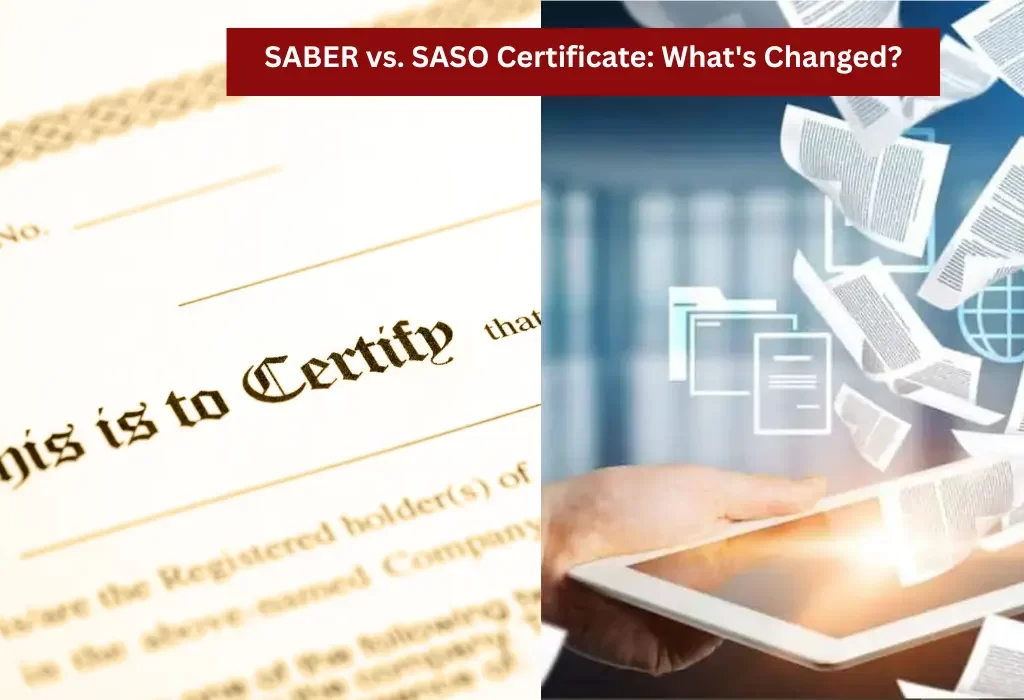
SABER vs. SASO Certificate: What’s Changed?
SABER vs SASO Certificate Whats Changed
Prior to 2019, importers used the SASO Certificate (issued by the Saudi Standards, Metrology and Quality Organization). The new SABER system represents a major upgrade:
Feature
Old SASO Certificate
New SABER Certificate
Process
Manual paperwork
Fully digital platform
Validity
Single certificate for all shipments
Two-step process (Product + Shipment Certificates)
Speed
Slower (weeks)
Faster (days in most cases)
Transparency
Less tracking
Real-time status updates
Who Manages the SABER System?
The program is regulated by SASO (Saudi Standards, Metrology, and Quality Organization) in collaboration with Saudi Customs. All certificates must be issued through SASO-accredited Notified Bodies and Conformity Assessment Bodies (CABs).
Why Does Saudi Arabia Require SABER Certification?
The system serves three critical purposes:
Consumer Protection – Blocks unsafe/non-compliant products (especially electronics, children’s toys, and construction materials)
Customs Efficiency – Reduces port congestion by pre-clearing goods digitally
Anti-Fraud Measure – Creates an auditable digital trail to combat counterfeit imports
Who Needs a SABER Certificate?
The SABER Certificate is mandatory for most commercial shipments entering Saudi Arabia. If you fall into any of these categories, you must obtain certification before your goods arrive at Saudi ports:
1. Businesses That Require SABER Certification
✅ Importers in Saudi Arabia – Any company bringing goods into KSA for resale or commercial use. ✅ Foreign Manufacturers & Exporters – Companies shipping products to Saudi distributors or buyers. ✅ Local Distributors – Saudi businesses sourcing products from international suppliers. ✅ E-commerce Sellers – Including platforms like Amazon.sa or Noon that import inventory in bulk.
2. Regulated Product Categories (2025 Update)
SABER certification applies to high-risk and consumer goods, including (but not limited to):
Electrical & Electronics (phones, chargers, home appliances)
Children’s Products (toys, school supplies, baby items)
Automotive Parts (tires, batteries, brakes)
Construction Materials (pipes, cables, cement)
Chemical Products (cleaning agents, lubricants)
Food Contact Materials (packaging, containers)
SASO periodically updates the list of regulated products. Always verify if your goods require certification on the SABER Portal.
3. Exemptions – When SABER Is NOT Required
Some goods are exempt from SABER certification, including:
Personal shipments (non-commercial imports under SAR 1,000 value)
Military/defense equipment (regulated separately)
Pharmaceuticals & medical devices (controlled by SFDA)
Used/second-hand goods (case-by-case approval)
What Happens If You Ship Without SABER?
❌ Customs holds – Goods detained at port until certification is provided. ❌ Financial penalties – Fines up to SAR 50,000 for non-compliance. ❌ Forced re-export – Shipments may be returned at the importer’s expense.
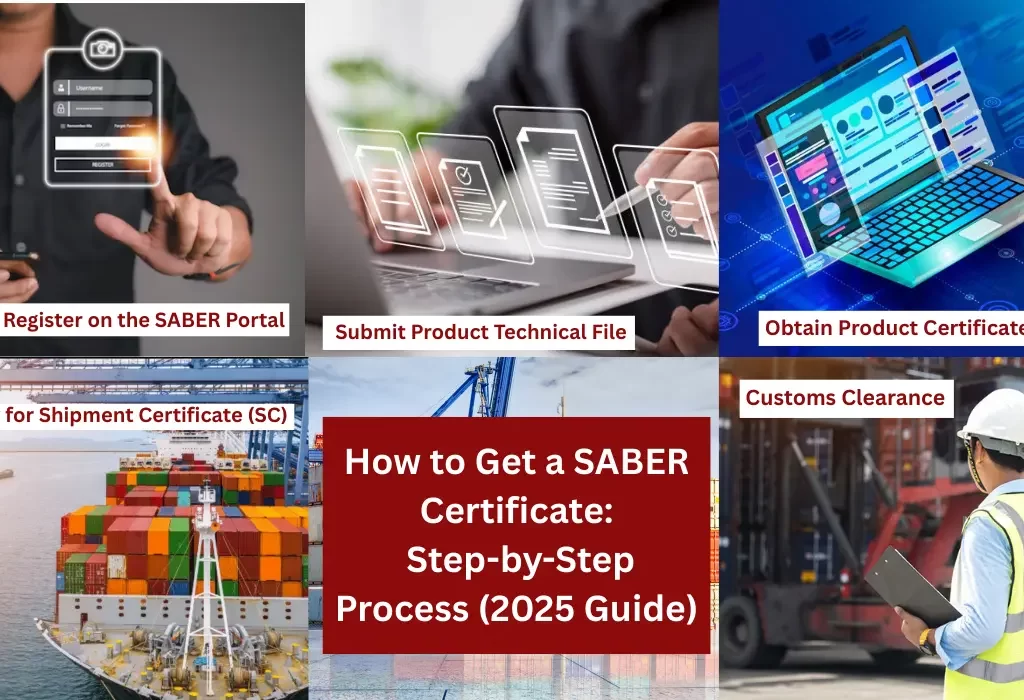
How to Get a SABER Certificate: Step-by-Step Process (2025 Guide)
How to Get a SABER Certificate Step by Step Process Guide
Securing your SABER certification doesn’t have to be complicated. Follow this proven 5-step process to ensure smooth customs clearance for your Saudi-bound shipments:
Step 1: Register on the SABER Portal
Create an importer/manufacturer account at saber.sa
Required documents:
Commercial Registration (for Saudi importers)
ISO 9001 certificate (for manufacturers)
Valid contact details
Processing Time: 1-3 business days for account verification
Note: Costs vary by product category and certification body
Why 73% of Importers Face Delays:
Incomplete test reports
Incorrect HS code classification
Last-minute SC applications
Unapproved lab certifications
Required Documents for SABER Certification (2025 Update)
Having the correct documentation is the most critical factor in obtaining your SABER Certificate without delays. Based on our experience clearing thousands of shipments, here’s the complete 2025 document checklist:
1. Mandatory Documents for All Applications
📄 Company Registration Documents:
Commercial Registration (CR) copy (for Saudi importers)
ISO 9001 certificate (for manufacturers)
Authorization letter (if using a Saudi agent)
📄 Product Identification:
Detailed product specifications in English/Arabic
High-resolution product photos (all angles)
Labeling details with Arabic translations
HS Code classification (6-8 digit Saudi customs code)
2. Product-Specific Requirements
A. Electrical & Electronic Goods
Safety test reports (IEC/EN standards)
EMC test reports
SASO RoHS compliance certificate
GCC conformity marking
B. Children’s Products & Toys
Chemical safety test reports (EN 71-3)
Physical/mechanical safety tests
Choking hazard warnings in Arabic
Age grading labels
C. Automotive Parts
Material composition certificates
Durability test reports
SASO Energy Efficiency label (where applicable)
3. Special Cases & Additional Requirements
For food contact materials (packaging, containers):
Migration test reports
FDA/EU compliance certificates
Halal certification (where applicable)
For construction materials:
Fire resistance certificates
Material safety data sheets
Environmental impact statements
Document Preparation Tips
Translation Matters: All documents must have:
English + Arabic versions
Notarized translations where required
Test Report Validity:
Must be issued within last 2 years
From SASO-recognized labs only
Cover all applicable Saudi standards
Common Rejection Reasons:
❌ Expired test reports
❌ Missing Arabic labeling
❌ Incomplete product descriptions
❌ Unauthorized modifications to templates
Radhi Custom Clearance Co. document review service catches 92% of compliance issues before submission, saving clients an average of 14 days in processing time.
Understanding the complete cost structure of SABER certification helps importers budget accurately and avoid unexpected expenses. Based on our latest clearance data, here’s the detailed breakdown:
1. 2025 Fee Structure for SABER Certification
A. Fixed Costs (One-Time Fees)
Fee Type
Cost Range (SAR)
Notes
SABER Portal Registration
500-1,000
Valid for 1 year
Product Certificate (PC)
1,500-5,000
Depends on product risk level
Conformity Assessment
2,000-15,000
Varies by testing complexity
B. Variable Costs (Per Shipment)
Fee Type
Cost Range (SAR)
Frequency
Shipment Certificate (SC)
500-3,000
Required for every shipment
Customs Clearance Fees
1%-5% of CIF value
Saudi Customs charges
Storage Fees (if delayed)
100-500/day
At Saudi ports
2. Validity Periods for PC, SC and Test Reports
Certificate Type
Duration
Renewal Process
Product Certificate (PC)
1 year
Full retesting required
Shipment Certificate (SC)
Single use
New SC for each shipment
Test Reports
2 years
Must be updated before expiry
3. Hidden Costs to Watch For
Retesting Fees (if standards change during your PC validity period)
Expedited Processing (50-100% premium for urgent applications)
Document Translation (200-500 SAR per document)
Storage Demurrage (avg. 300 SAR/day at Jeddah Islamic Port)
SABER Certification Challenges & How to Overcome Them (2025 Solutions)
Identified top 7 obstacles importers face – and more importantly, how to avoid them:
1. Document Rejections
Most Frequent Issues:
Test reports from non-accredited labs
Expired certificates (even by 1 day)
Missing Arabic translations
Incomplete product specifications
2. Testing Failures
Problem Products:
Electronics failing Saudi voltage standards (110V vs 220V)
Children’s toys with excessive phthalates
Construction materials with incorrect fire ratings
3. Shipment Certificate Timing Errors
Critical Mistake: Applying for SC after goods arrive at Saudi ports (leads to 100-300 SAR/day storage fees)
4. Product Category Confusion
Recent Changes to Note:
As of March 2025, LED drivers now require separate certification
Smart watches reclassified from electronics to medical devices
New sustainability requirements for packaging materials
5. Technical Glitches on SABER Portal
Recent Issues:
Document upload failures (especially >10MB files)
Payment gateway errors
Unexpected logout during application
Emergency Protocol:
Use Chrome/Firefox (not Safari)
Keep documents under 5MB
Screenshot every submission step
6. Last-Minute Regulation Changes
2025 Updates That Caught Importers Off Guard:
New labeling requirements for lithium batteries
Additional testing for kitchen appliances
Stricter documentation for used machinery
Latest 2025 SABER Updates: Critical Changes Importers Must Know
The SABER system continues to evolve, with major updates that impact certification requirements. Here’s what’s new in 2025:
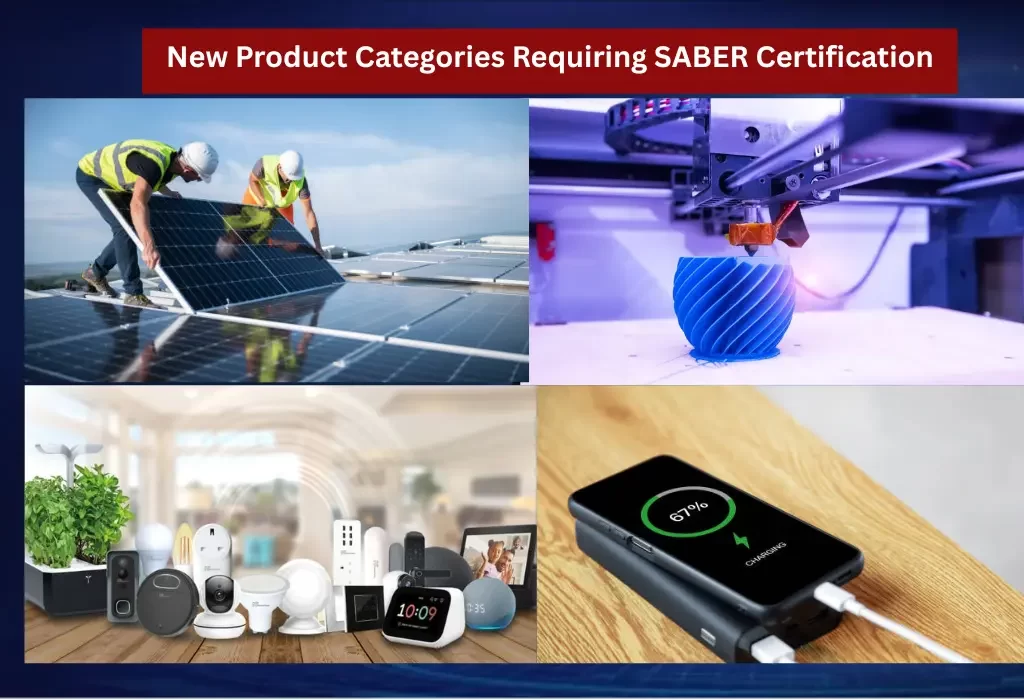
1. New Product Categories Requiring SABER Certification
New Product Categories Requiring SABER Certification
Starting September 1, 2025, these additional products must obtain SABER certification:
Solar panels & renewable energy equipment (New SASO IEC 61215/61730 standards)
3D-printed consumer goods (Safety testing for materials)
Smart home devices (IoT compliance requirements)
Rechargeable power banks (Expanded battery safety checks)
6. Digital-Only Submissions (No More Paper Documents)
As of March 2025, SASO no longer accepts: ❌ Physical application forms ❌ Hard-copy test reports ❌ Manual payment receipts
Required Format:
All documents must be PDF/A (not scanned images)
Digital signatures must match SABER portal records
How Radhi Awad Helps You Stay Compliant
We proactively monitor SASO updates and: 🔹 Alert clients 60 days before changes take effect 🔹 Update test reports before they expire 🔹 Resubmit revised applications at no extra cost
Ready for Hassle-Free SABER Certification? Let Radhi Awad Handle It!
Don’t risk delays, rejections, or costly penalties. Our SABER certification experts ensure: ✔ 100% compliant documentation – No rejections or resubmissions ✔ Fast-track approvals – As quick as 48 hours for trusted traders ✔ End-to-end support – From testing to customs clearance